Kalayudha Launches Kalayudha Akses, a Cross-Border Partnership Line
Jakarta — Kalayudha has launched Kalayudha Akses, a business line that opens and structures cross-border partnerships. The focus is singular: matching capital, technology, and building experience from global partners with the assets and needs that already exist in Indonesia — and staying on until it actually runs.
The starting point is simple. Global investors have capital and technology; Indonesia has the assets and the need. What is usually missing sits in between: someone who understands both sides and will do the detail work that makes a deal actually happen — who to meet, how it is structured, and which permit has to clear first. Without that, good plans stop at the MoU and never become anything.
Four lines of work
Kalayudha Akses works across four connected lines:
- Origination & access. Assembling the opportunity and opening the door — matching asset owners with the investors and technology partners that fit best, not the ones that are nearest.
- Structuring & compliance. Putting together the JV, the PPP, or another scheme with its capital stack and governance, until it is bankable and holds up in due diligence.
- Government & investor relations. Access to provincial government, state enterprises, ministries, and regulators — and to the investor's boardroom on the other side.
- Navigation & accompaniment. Permits, coordination between parties, through to signing — not handing over a document and leaving.
The limits are stated up front, so nobody waits on something that was never on offer: Kalayudha Akses is not the owner or seller of the asset, does not use public budget, and is no substitute for official process — procurement and permitting stay on their own track.
Full market entry for foreign companies
Beyond asset-based projects, Kalayudha Akses also handles full market entry for foreign companies coming into Indonesia. The scope runs end to end: market research and opportunity validation, entity setup and licensing, finding local partners and talent, through to operations actually running. A foreign company deals with one party that understands both the regulations and the ground — instead of stitching together a dozen vendors in a country it does not yet know.
The approach mirrors the rest of Kalayudha: start with a small pilot, prove it works, then scale — with the right structure from day one rather than tidied up later.

Starting from routes already opened
The line does not start from zero. Partners from four countries — Korea, China, Vietnam, and Singapore — have already come in through routes the team worked.
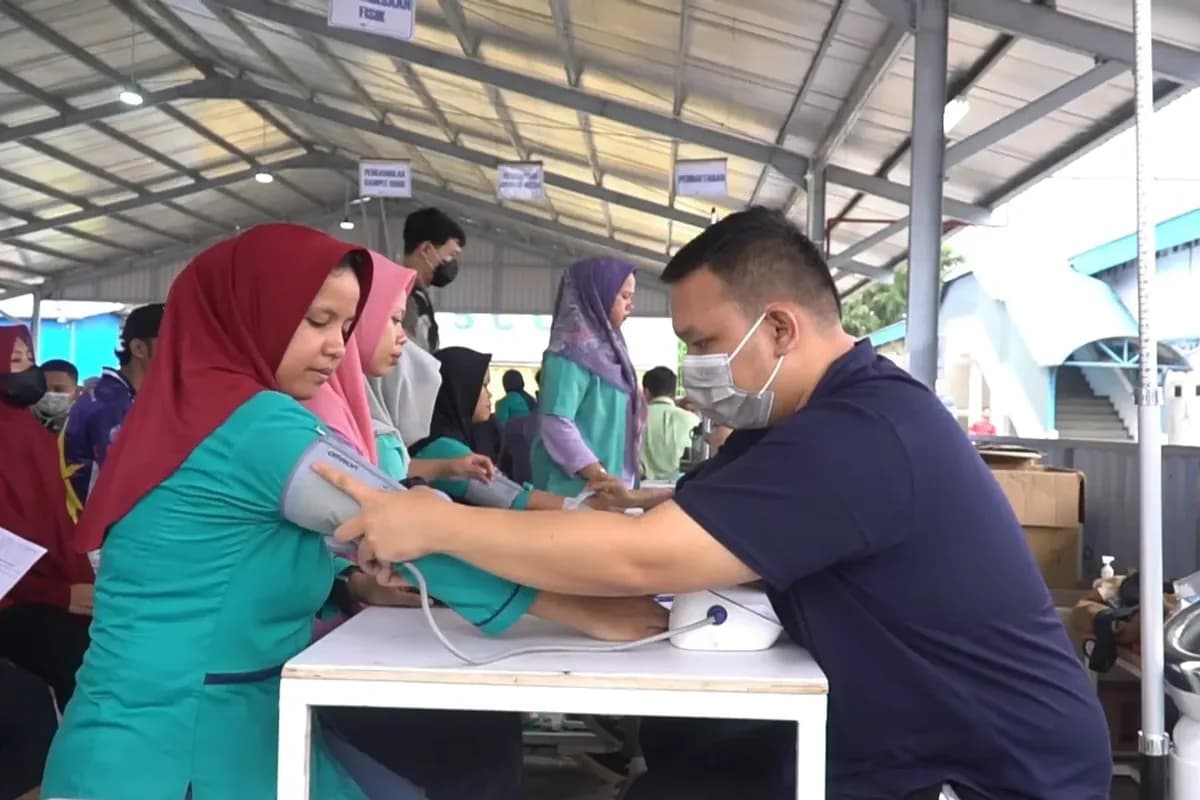
The most mature corridor is Korea–Indonesia, built on industrial relationships decades in the making: from steel to AI-based workplace-safety technology now running across eight plant zones in the Cilegon industrial estate.
From China, a garment factory was built and produces in-country — bringing manufacturing, not just finished goods.
From Vietnam and Singapore, oncology genomics technology was brought in and is operated in Indonesia by the team itself — more than 7,500 molecular tests are running, and a diagnostics service from the Kalayudha portfolio is now piloting in two ministries.

How the process runs
Every opportunity passes through five stages. It starts with identification — mapping the asset or the need and judging whether a genuinely suitable partner exists. Then alignment with the priorities of the asset owner and the government, so the opportunity is not running against policy. Matching selects the investor, developer, EPC contractor, or operator that fits best. Only then comes development: early studies, feasibility, capital structure, and negotiating the partnership scheme. What deserves to continue moves into implementation through the official mechanism.
Where it works
Three fields come first: infrastructure & area development (transport, TOD, waterfront, mixed-use, utilities, public facilities), industry & manufacturing (workplace safety, automation, industrial AI, production technology), and healthcare & diagnostics (clinical services, laboratories, medical devices, corporate wellness). Technology and data cut across all three — and the list is not a boundary: where the need is clear and the partner exists, the route gets found.
The three-party model
For asset-based projects, the structure brings three parties into one entity. The asset owner contributes land, operating rights, and authority — typically in kind, so public assets stay with their owners. The investor and global partners bring capital, technology, EPC contractors, operators, and brand. Kalayudha Akses contributes origination, structuring, and relations and navigation. The three meet in a joint venture that owns, builds, and operates — in whatever form fits the project: JV, PPP, BOT, or another scheme permitted by regulation.

A model aligned with outcomes
Kalayudha Akses is engaged on the investor side — a retainer through development, plus a success fee when the deal closes. On some projects Kalayudha takes a minority stake in the joint venture, so its interest sits with the project succeeding — not with how many documents get produced. Early conversations are confidential and routinely run under NDA.
Have an asset, a project, or a technology looking for a way in — or a foreign company weighing an entry into Indonesia? Send a short introduction to akses@kalayudha.com or meet the line on the Kalayudha Akses page.